

Automatización generación de leads con n8n: guía práctica para captar y cualificar contactos

La automatización generación de leads permite captar, validar, enriquecer y enviar contactos al CRM sin depender de procesos manuales. Para muchos equipos de marketing y ventas, este cambio supone pasar de gestionar hojas de cálculo y formularios dispersos a trabajar con un sistema conectado que funciona de forma continua. Con una herramienta como n8n, es posible construir workflows que reciben leads desde formularios, landing pages, bases de datos, campañas de email o fuentes B2B; validan la información; enriquecen los datos; asignan una puntuación comercial; y notifican al equipo de ventas cuando aparece una oportunidad interesante. El objetivo no es solo...
Cómo Mejorar la Optimización de Entrega de Correos Electrónicos: Guía Paso a Paso

¿Sabías que mejorar la entregabilidad de tus correos electrónicos puede generar un ROI del 4300%? El 59% de los comercializadores B2B consideran el correo electrónico su canal más efectivo para generar ingresos. Conseguir que tus mensajes lleguen realmente a la bandeja de entrada es todo un desafío. Una mala entregabilidad arruina tus campañas antes de que empiecen. En este artículo aprenderás cómo mejorar la entregabilidad de tus emails mediante técnicas probadas. Te mostraremos cómo validar listas con una herramienta para la detección de correos inválidos, configurar la autenticación técnica de tu dominio y optimizar el contenido para conseguir envíos exitosos....
Cómo Mejorar la Tasa de Apertura de Correos Electrónicos: Guía Paso a Paso con Estrategias Avanzadas
En este artículo aprenderás las técnicas exactas para mejorar la tasa de apertura de tus correos electrónicos. Por cada euro que inviertas obtendrás 36€ de retorno. Te mostraremos paso a paso cómo aplicar las estrategias que realmente funcionan: Paso 1: Domina los elementos esenciales de la bandeja de entrada Optimiza el asunto (40-50 caracteres), el preheader (40-100 caracteres) y utiliza un remitente reconocible. Estos tres elementos determinan si tus contactos abren o ignoran tus mensajes. Paso 2: Segmenta tu audiencia de forma inteligente Las campañas segmentadas consiguen 14% más aperturas que las genéricas. Aprenderás cómo dividir tu base de datos...
Cómo Hacer la Integración de IA en Email Marketing: Guía Paso a Paso

¿Qué aprenderás en esta guía? La inteligencia artificial está cambiando la forma en que las empresas se comunican por email. Te permite crear campañas personalizadas que responden al comportamiento individual de cada contacto, mejorando significativamente tus resultados. • La personalización con IA adapta todo el contenido según el comportamiento de cada usuario, aumentando las tasas de apertura hasta un 30% • Te recomendamos limpiar tu base de datos antes de empezar – utiliza un email checker para eliminar contactos inválidos y duplicados • Define qué quieres conseguir y cómo vas a medirlo antes de elegir herramientas de IA • Configura...
Reputación de Dominio
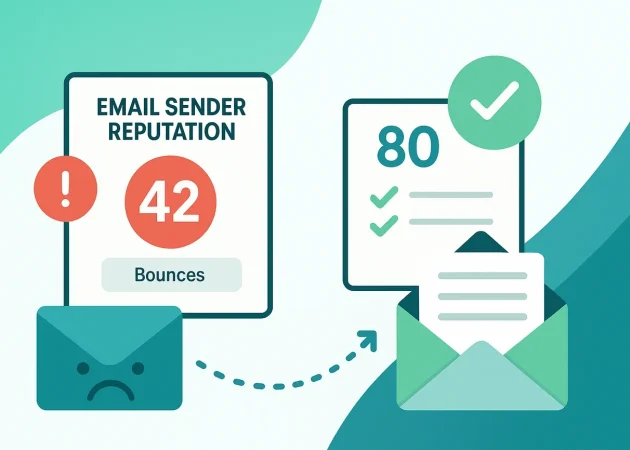
Lo que aprenderás sobre la reputación de dominio En este artículo aprenderás todo lo necesario sobre la reputación de dominio y cómo afecta directamente al éxito de tus campañas de email marketing. Descubrirás los aspectos fundamentales que todo profesional debe dominar: • La reputación de dominio es una puntuación de 0-100 que decide si tus correos llegan a la bandeja de entrada o van directo al spam • Una buena reputación mejora la entregabilidad, aumenta la confianza del usuario e impacta positivamente en el SEO • Puedes utilizar herramientas como Google Postmaster Tools y MxToolbox para monitorear regularmente tu reputación...
Cómo Hacer Que la Gente Lea Tus Emails: Guía Paso a Paso (Con Ejemplos Reales)

En este artículo aprenderás las técnicas exactas para conseguir que tus destinatarios abran y lean tus correos electrónicos. Te mostraremos estrategias probadas que mejoran tanto la entregabilidad como el engagement de tus campañas. Aquí tienes los puntos clave que dominarás: • Configura los protocolos SPF, DKIM y DMARC en tu dominio para evitar que tus emails lleguen a la carpeta de spam y mantener una reputación sólida como remitente. • Escribe asuntos entre 30-50 caracteres iniciando con verbos de acción – las líneas de asunto personalizadas tienen un 22% más de probabilidades de ser abiertas que las genéricas. • Segmenta...
Análisis de Rendimiento: PP vs. PSOE en Instagram Reels para las Elecciones de Andalucía 2026

1. Introducción: La IA aplicada al análisis de videos políticos En el horizonte de las elecciones de Andalucía 2026, la comunicación política ha trascendido la era de la intuición para entrar en la de la precisión neurocientífica. En este contexto, Instagram Reels no es simplemente una plataforma de difusión, sino el campo de batalla crítico donde se decide la relevancia de un mensaje en milisegundos. El análisis de videos con IA nos permite hoy decodificar la arquitectura invisible del contenido: desde la activación subgenual hasta el procesamiento en la red por defecto del espectador. El objetivo de este informe técnico...
Cómo Comprobar Teléfono Automáticamente: Guía Paso a Paso [+ Plantillas Gratis]
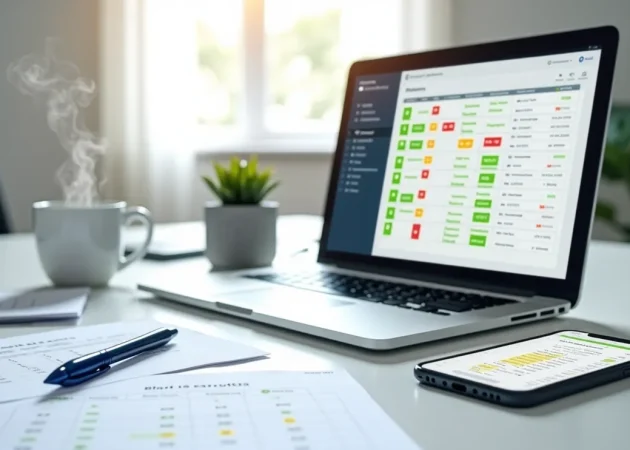
¿Sabías que si el 25% de tu base de datos no es válida, podrías perder 7.500 euros anuales en campañas SMS? Comprobar teléfono automáticamente puede evitarlo. Verificar número de teléfono en tiempo real te permite reducir hasta un 20% las cuentas falsas y mejorar las conversiones sobre un 65%. Cuando compruebas número de teléfono móvil antes de enviar mensajes masivos, garantizas que tus comunicaciones lleguen a usuarios reales. La verificación automática protege tu inversión en marketing. Puedes ahorrar hasta 7.500€ anuales verificando números antes de enviar SMS masivos y eliminando contactos inválidos de tu base de datos. La verificación HLR...
La Mejor API para Validar Números de Teléfono

En este artículo aprenderás cuáles son las mejores APIs para validar números de teléfono y cómo elegir la más adecuada para tu negocio. Una API de validación telefónica correctamente implementada puede ayudarte a reducir pérdidas en campañas de marketing y mantener bases de datos más precisas. Antes de elegir una herramienta, es importante entender que no todas las soluciones hacen lo mismo. Algunas APIs validan números sin interactuar con el usuario, mientras que otras están diseñadas para autenticación mediante códigos (OTP). Esta diferencia impacta directamente en el uso, el coste y la experiencia del usuario. Estos son los puntos clave...
Cómo Automatizar la Validación de Números de Teléfono vía API: Guía Paso a Paso
¿Sabías que entre un 8-12% de los números telefónicos captados en formularios o durante procesos de registro son erróneos? Estos datos incorrectos afectan negativamente a tus campañas, aumentan costes y reducen la efectividad de tus comunicaciones. Cuando tu base de datos contiene teléfonos inválidos, estos impactan directamente en tu ROI y en la reputación de tu empresa. La verificación automática de números telefónicos mediante API detecta hasta un 12% de números erróneos en tiempo real, evitando pérdidas en campañas SMS y mejorando las tasas de conversión. Si implementas la verificación en formularios web, aumentarás hasta un 18% los contactos válidos...